


Understanding Plea Negotiations in Phoenix Criminal Cases
If you’re facing criminal charges in Phoenix, you may wonder whether plea bargaining can help reduce your charges and avoid the uncertainty of trial. Over 90% of criminal cases in Arizona resolve through plea agreements rather than trials, making this process a critical component of the criminal justice system. Many defendants feel overwhelmed by the legal system’s complexity and unsure about their options. The stress of potential jail time, fines, and a permanent criminal record can be crushing when you’re trying to maintain your job, support your family, and preserve your reputation. Understanding how plea bargaining works in Maricopa County can help you make informed decisions and potentially achieve a more favorable outcome than risking conviction at trial.
💡 Pro Tip: Document everything related to your case immediately, including dates, times, and circumstances of your arrest, as these details can be valuable during plea negotiations with prosecutors.
Feeling overwhelmed by your legal situation in Phoenix? Let the seasoned professionals at Suzuki Law guide you through the complexities of plea bargaining. Don’t hesitate to reach out today at 602-682-5270 or contact us for tailored advice and support that aligns with your unique case.

Your Rights During Plea Negotiations with a Criminal Defense Lawyer in Phoenix
Arizona law provides specific protections and requirements for plea agreements that directly impact case resolution. Under Arizona Revised Statutes § 13-4423, the court shall not accept a plea agreement unless the prosecuting attorney advises the court that reasonable efforts were made to confer with the victim pursuant to section 13-4419 before requesting the negotiated plea. This requirement can affect timing and terms of plea agreements. The Maricopa County Attorney’s Office follows Prosecution Policy 7.1, establishing guidelines for plea agreements including victim input documentation and addressing felony designation, restitution, and surcharges. Your constitutional rights remain paramount throughout this process, including the right to effective counsel, the right to understand all consequences of accepting a plea, and the right to reject any offer and proceed to trial. Understanding these rights empowers you to participate meaningfully in decisions about your case.
💡 Pro Tip: Never accept a plea offer without fully understanding all consequences, including potential immigration impacts, professional licensing issues, and long-term effects on your civil rights.
The Plea Bargaining Timeline in Maricopa County Courts
The plea negotiation process in Phoenix follows a structured timeline beginning shortly after charges are filed and extending through various stages of your case. In Maricopa County, initial plea discussions often begin at the Initial Pretrial Conference (IPTC), typically scheduled within 45 days after arraignment. However, negotiations can continue throughout the pretrial phase and even up to trial. The timing of plea offers can significantly impact their terms, as prosecutors may be more flexible early when court resources haven’t been extensively committed to trial preparation.
- Initial arraignment and entry of plea (not guilty to preserve negotiation options)
- Initial Pretrial Conference (IPTC) where first plea discussions typically occur
- Pretrial conferences where negotiations may continue with revised offers
- Motion hearings that can strengthen or weaken negotiating positions
- Final pretrial conference representing last opportunity before trial
- Change of plea hearing if agreement is reached
How Phoenix Criminal Defense Attorneys Navigate Successful Plea Agreements
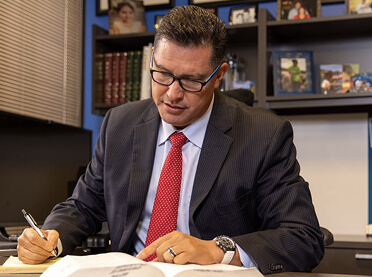
Achieving a favorable plea agreement requires strategic negotiation and deep understanding of local prosecution practices in Maricopa County. Experienced criminal defense lawyers in Phoenix know prosecutors have presumptive plea guidelines but also possess discretion to deviate based on specific circumstances. According to MCAO Policy 7.1, Deputy County Attorneys can adjust plea offers when warranted, though certain deviations require approval from Bureau or Division Chiefs. At Suzuki Law, attorneys leverage their knowledge of these prosecution policies to identify opportunities for more favorable agreements. This might include negotiating for reduced charges, alternative sentencing options, or agreements preserving important rights like the ability to seal records in the future. The key is presenting compelling reasons why your case merits special consideration through mitigation evidence, legal challenges to the state’s case, or demonstrating rehabilitation efforts.
💡 Pro Tip: Begin gathering character references, employment verification, and evidence of community ties early, as these materials can be powerful tools in plea negotiations.

Critical Factors That Influence Plea Bargaining Outcomes in Arizona
Several key factors dramatically impact plea negotiation success in Phoenix criminal cases. The prosecution’s evidence strength often serves as the starting point, as cases with evidentiary weaknesses provide more defense leverage. Your criminal history plays a significant role, with first-time offenders typically receiving more favorable consideration than those with prior convictions. The specific charges you face also matter tremendously, as Arizona law provides different levels of prosecutorial discretion depending on offense classification and whether mandatory sentencing provisions apply.
Evidence Evaluation and Legal Challenges
Thorough evaluation of the state’s evidence can reveal constitutional violations, procedural errors, or factual weaknesses that create negotiating leverage. Arizona criminal defense lawyers understand that successful suppression motions or identified proof problems can transform plea discussions. If key evidence was obtained through an unlawful search, challenging its admissibility might prompt prosecutors to offer significantly reduced charges rather than risk losing at trial. Early identification of case weaknesses often yields better plea offers.
💡 Pro Tip: Request complete discovery materials immediately through your attorney, as early case evaluation can identify weaknesses that strengthen your negotiating position before prosecutors become entrenched in their initial charging decisions.

Understanding Plea Agreement Terms and Long-Term Consequences
Plea agreements in Arizona contain numerous terms beyond just charges and sentences, making careful review essential. These agreements must address felony designation under Arizona law, which determines whether certain offenses will be treated as felonies or misdemeanors for record purposes. Financial obligations including restitution, court surcharges, and probation fees must be clearly specified. The agreement should also detail any special probation conditions, treatment requirements, or liberty restrictions that will apply.
Collateral Consequences Beyond Criminal Penalties
Criminal convictions in Arizona carry consequences extending far beyond jail time and fines. Professional licenses may be jeopardized, with certain convictions triggering mandatory reporting to licensing boards. Federal student financial aid is no longer affected by drug convictions. Immigration consequences can be severe for non-citizens, potentially resulting in deportation even for minor offenses. Understanding these collateral consequences before accepting any plea agreement prevents devastating surprises later. Your Phoenix criminal defense attorney should thoroughly explain how different plea options might impact your specific situation.
Frequently Asked Questions
Common Concerns About Plea Bargaining in Phoenix
Many defendants facing criminal charges in Phoenix have similar questions about the plea bargaining process. Understanding these common concerns can help you feel more prepared as you navigate your case.
💡 Pro Tip: Write down all your questions before meeting with your attorney, as comprehensive discussions about plea options require addressing multiple complex issues.
Navigating the Phoenix Criminal Justice System
The plea bargaining process in Maricopa County courts involves specific procedures and requirements that differ from other jurisdictions, making local knowledge invaluable.
1. Can a criminal defense lawyer in Phoenix negotiate my felony charges down to a misdemeanor?
In certain circumstances, felony charges can be reduced to misdemeanors through plea negotiations. Arizona law allows for some felonies to be designated as misdemeanors upon successful completion of probation, though this depends on the specific charges and your criminal history. Your attorney can evaluate whether your charges qualify for reduction and negotiate appropriate terms.
2. What role do victims play in plea agreements for Phoenix criminal cases?
Under Arizona law, specifically A.R.S. § 13-4423, the court shall not accept a plea agreement unless the prosecuting attorney advises the court that reasonable efforts were made to confer with the victim pursuant to section 13-4419 before requesting the negotiated plea. Victims have the right to be present and heard at plea proceedings. While prosecutors maintain ultimate discretion over plea offers, victim input can significantly influence negotiations, making victim perspectives an important consideration in case strategy.
3. How long do I have to accept a plea offer from the Maricopa County Attorney’s Office?
Plea offers typically come with expiration dates that vary based on case circumstances and court scheduling. Some offers may be available only until the next court date, while others might remain open longer. Prosecutors can withdraw offers at any time before acceptance.
4. Will accepting a plea bargain in Arizona affect my gun rights?
Certain plea agreements can impact firearm rights under both Arizona and federal law. Felony convictions and some misdemeanor domestic violence convictions result in firearm prohibitions. Your criminal defense attorney should explain these consequences before you accept any plea, as restoration of gun rights after conviction can be complex and isn’t guaranteed.
5. Should I accept the first plea offer or wait for a better deal through my Phoenix criminal defense consultation?
Initial plea offers rarely represent the best possible outcome. Experienced attorneys know negotiations often improve after thorough case investigation, filing of appropriate motions, and demonstration of defense preparation. However, waiting carries risks as offers can be withdrawn or worsen if new evidence emerges. Your attorney should analyze whether tactical delay might yield better results in your specific situation.
Work with a Trusted Criminal Defense Lawyer
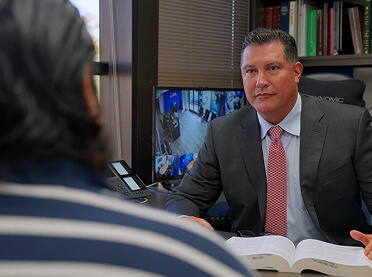
Navigating plea negotiations in Phoenix requires understanding both formal rules governing criminal procedure and informal practices of local prosecutors and judges. Every criminal case presents unique circumstances affecting plea bargaining outcomes, from the specific facts of your arrest to your personal background and future goals. Making informed decisions about plea offers requires careful evidence analysis, realistic assessment of trial risks, and clear understanding of all consequences. The attorneys at Suzuki Law bring extensive experience with Maricopa County prosecution practices and Arizona criminal law to help clients achieve the most favorable resolutions possible. Whether negotiating for reduced charges, alternative sentencing, or taking your case to trial, skilled legal representation ensures your rights are protected throughout the process.
Facing criminal charges in Phoenix? Don’t let it overwhelm you. At Suzuki Law, we’re here to help you navigate the intricacies of plea bargaining. Reach out to us directly at 602-682-5270 or contact us for guidance tailored to your needs.
Call or text (602) 682-5270 or complete a Free Case Evaluation form