


Facing Felony Charges? Understanding Your Court System Could Save Your Future
If you’re facing felony charges in Phoenix, Arizona, the Maricopa County Superior Court Criminal Department will handle your case. This specialized division operates from multiple locations in Phoenix, including the South Court Tower at 175 W Madison Street, and manages all felony matters from initial appearance through sentencing. Understanding which court has jurisdiction and how the process works can significantly impact your defense preparation and protection of your rights.
???? Pro Tip: Save all documentation related to your charges and court dates – the Maricopa County Superior Court requires specific paperwork at each stage of your felony case.
When facing the formidable challenge of felony charges, don’t let the complexity of the legal system overwhelm you. Suzuki Law provides the guidance you need to navigate Maricopa County’s felony courts effectively. Reach out today at 602-682-5270 or contact us to ensure your defense is in capable hands.

Your Rights in Arizona’s Felony Court System
The Arizona Superior Court system has constitutional jurisdiction over all criminal cases amounting to felonies, as outlined in Article VI §14 of the Arizona Constitution. This means your case bypasses lower courts for trial purposes. The Maricopa County Superior Court Criminal Department handles cases where the State has filed felony charges, providing access to a court system with appropriate procedural safeguards for serious criminal matters.
Unlike misdemeanor cases resolved in justice courts, felony charges require the resources and authority of the superior court system. As the state’s general-jurisdiction trial courts, Arizona Superior Courts have the broadest authority to hear complex criminal matters, ensuring defendants facing serious charges receive trials in courts equipped to handle constitutional questions, complex evidence, and potential lengthy sentences accompanying felony convictions.
???? Pro Tip: Request a complete copy of your charging documents from the court clerk – understanding the specific felony charges filed against you helps your attorney build a stronger defense strategy.
The Felony Court Process Timeline in Maricopa County
Understanding your felony case timeline through the Maricopa County Superior Court helps reduce anxiety and enables proper preparation. If you remain in custody after arrest, Arizona law mandates you receive a trial date within 120 days from your initial appearance, though various factors can affect this timeline.
- Initial Appearance: Within 24 hours of arrest, a judge will set release conditions and inform you of charges
- Preliminary Hearing or Grand Jury: Preliminary hearings must occur within 10 days if the defendant is in custody or 20 days if out of custody, where the State must establish probable cause. Grand jury proceedings serve as an alternative to preliminary hearings and are not subject to the same 10-20 day timeline requirements.
- Arraignment: Following indictment or bindover, arraignment occurs at Superior Court within 10 days for defendants in custody or within 30 days for defendants not in custody, where the defendant enters a plea (unless the defendant has not been arrested or has negotiated a plea agreement).
- Pretrial Conferences: Multiple hearings over 60-90 days to discuss evidence, negotiate plea agreements, and prepare for trial
- Trial: If no plea agreement is reached, your case proceeds to trial before a judge or jury
- Sentencing: If convicted in Arizona state court, sentencing typically occurs 15-30 days after conviction to allow for presentence investigation reports (in federal court, sentencing typically occurs 60-90 days after conviction).
???? Pro Tip: Mark every court date in multiple calendars and set reminders – missing a Superior Court appearance can result in a warrant and additional charges.
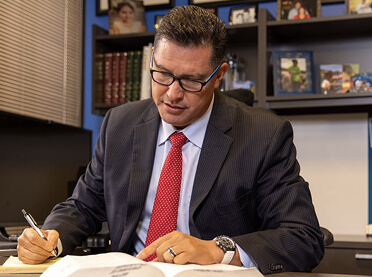
How a Criminal Defense Lawyer in Phoenix Navigates Superior Court
Successfully defending against felony charges in the Maricopa County Superior Court requires understanding both formal rules and informal practices of this specific court system. A criminal defense lawyer in Phoenix who regularly practices in these courtrooms knows the prosecutors, understands local procedures, and can anticipate how different judges handle felony cases. Suzuki Law has built strong working relationships within the Maricopa County court system, enabling effective advocacy for clients facing serious criminal charges.
The complexity of felony proceedings demands legal representation familiar with everything from pretrial motions to jury selection in Phoenix courtrooms. Having an attorney who understands the nuances of practicing in the South Court Tower and Central Court Building can streamline your case and potentially lead to better outcomes.
???? Pro Tip: Ask potential attorneys about their specific experience in Maricopa County Superior Court – familiarity with local prosecutors and judges can significantly impact your case strategy.

Understanding the Difference Between Felony and Misdemeanor Courts in Arizona
Arizona’s court system divides criminal cases between different courts based on charge severity, with felonies exclusively tried in Superior Court. Arizona Revised Statute 22-301 defines justice court jurisdiction over misdemeanors; justice courts have a limited role in felony cases, handling only preliminary stages and conducting preliminary examinations. While your felony case might begin with an initial appearance in justice court, it will move to Superior Court if probable cause is established.
Why Felonies Require Superior Court Jurisdiction
The elevated stakes of felony cases demand the broader authority and resources available in Superior Court. Felony convictions can result in state prison sentences, substantial fines, and lifelong consequences requiring full constitutional protections and procedural safeguards that Superior Court provides. The Maricopa County Superior Court Criminal Department maintains the necessary infrastructure for complex trials, including secured facilities, advanced evidence presentation technology, and experienced staff trained in handling serious criminal matters.
???? Pro Tip: Even if your case starts in justice court for a preliminary hearing, begin preparing for Superior Court proceedings immediately – the standards and expectations are significantly different.

Navigating Phoenix’s Multiple Felony Court Locations
The Maricopa County Superior Court Criminal Department operates from several Phoenix locations, and knowing where to appear is crucial for compliance. The primary criminal courthouse at the South Court Tower, 175 W Madison Street in downtown Phoenix, handles most felony matters including trials and major hearings. Additionally, the Central Court Building and Intake/Transfer/Release facilities serve specific functions in processing felony defendants. Your criminal defense lawyer in Phoenix will ensure you appear at the correct location for each stage.
What Happens at Each Court Location
Different Phoenix court locations serve distinct purposes in the felony process. Initial appearances and some preliminary matters might occur at the Intake/Transfer/Release facility, particularly for in-custody defendants. The South Court Tower houses most criminal trial courtrooms, while administrative matters and some pretrial conferences may take place at the Central Court Building. Each location maintains different security procedures, parking arrangements, and check-in processes. Arriving early and knowing exactly where to report prevents unnecessary stress and ensures compliance.
???? Pro Tip: Always verify your specific courtroom assignment the day before any hearing – courtrooms can change, and appearing in the wrong location may result in a missed appearance.

Frequently Asked Questions
Common Questions About Felony Courts in Phoenix
Many defendants and their families have similar concerns when navigating the Maricopa County Superior Court system for the first time. Understanding these common questions can help reduce anxiety and ensure proper preparation for each stage of your felony case.
???? Pro Tip: Write down questions as they arise between court dates – your attorney can address them all during your next meeting rather than leaving you wondering.
Understanding Your Next Steps in Superior Court
After learning which court handles your felony case, the next crucial step involves understanding how to proceed effectively through the system. The Maricopa County Superior Court Criminal Department follows specific procedures that may seem overwhelming without proper guidance.
???? Pro Tip: Create a case file with all court documents organized by date – this helps both you and your attorney track the progression of your case through Superior Court.
1. Do all felony cases in Phoenix go directly to Superior Court?
Not immediately. Most begin with an initial appearance and preliminary hearing in justice court. If the justice court finds probable cause or if a grand jury issues an indictment, your case then transfers to Superior Court for all remaining proceedings including trial.
2. Can I change which Superior Court judge hears my Phoenix felony case?
Arizona law provides limited opportunities to change judges in criminal cases. Each defendant typically has one opportunity to request a change of judge without stating a reason, but this must be done within strict time limits after assignment. Your felony defense lawyer Phoenix can advise whether requesting a different judge would benefit your case.
3. What’s the difference between justice court and Superior Court for felonies?
Justice courts only handle preliminary felony proceedings – determining whether enough evidence exists to send the case to Superior Court. Arizona Superior Courts have exclusive jurisdiction to conduct felony trials, accept guilty pleas, and impose felony sentences. This jurisdictional division is rooted in the Arizona Constitution Article VI §14; ARS 22-301 defines justice court jurisdiction over misdemeanors.
4. How long does a typical felony case take in Maricopa County Superior Court?
Felony cases in Phoenix typically take 4-6 months from initial appearance to resolution, though complex cases may extend longer. If you’re in custody, Arizona law requires your trial be set within 120 days. Cases involving extensive evidence, multiple defendants, or serious charges like murder may take over a year to resolve.
5. Should I hire an attorney familiar with Maricopa County Superior Court specifically?
Yes, working with an AZ Criminal Defense attorney who regularly practices in Maricopa County Superior Court provides significant advantages. These attorneys understand local procedures, know the prosecutors and judges, and navigate Phoenix felony court requirements more efficiently than attorneys without this local experience.
Work with a Trusted Criminal Defense Lawyer
When facing felony charges in the Maricopa County Superior Court Criminal Department, having knowledgeable legal representation makes a crucial difference in your case outcome. An attorney experienced with Arizona criminal court procedures can guide you through each stage, from preliminary hearings through Superior Court trial proceedings. The complexity of felony cases, combined with serious consequences of convictions, demands skilled advocacy from attorneys who understand both the law and local court practices. Contact a Phoenix criminal attorney who can evaluate your charges, explain your options, and develop a defense strategy tailored to your case.
Fight back against the overwhelming tides of felony charges with the steadfast support of Suzuki Law. Reach out to us at 602-682-5270 or contact us today and let us guide you through the complexities of the Maricopa County court system with confidence.
Call or text (602) 682-5270 or complete a Free Case Evaluation form