


Most people hire a criminal defense attorney without a clear picture of what that attorney is actually doing on their behalf between court dates. The work is largely invisible to the client, and that’s fine, until you’re trying to evaluate whether your representation is genuinely thorough or whether you’re getting the bare minimum.
Understanding the full scope of what a criminal defense lawyer in Tucson is supposed to do gives you a meaningful framework for assessing your situation and asking the right questions. Here is what competent criminal defense actually looks like across the full life of a case.
1. Case Investigation and Evidence Analysis
The work begins before any courtroom appearance, and in many respects it’s the most consequential work of all. A thorough case investigation examines every piece of evidence the prosecution intends to use, not just what it says, but how it was obtained, who handled it, and whether the procedures surrounding it were legally sound.
Police reports get reviewed for internal inconsistencies. Witness statements are compared against each other and against the physical evidence. Surveillance footage, if it exists, is analyzed for what it actually shows versus what officers claim it shows. In cases involving drug charges or federal offenses, forensic evidence is evaluated with the help of independent experts who can identify flaws in collection method, chain of custody, or laboratory analysis.
Evidence that was gathered in violation of your Fourth or Fifth Amendment rights can be suppressed entirely. That kind of finding doesn’t happen by accident, it comes from deliberately looking for it.
2. Legal Research and Case Preparation
Every case sits within a body of law that is constantly evolving. Recent appellate decisions, statutory changes, and shifts in how courts interpret constitutional protections all have the potential to affect your defense. Staying current with that legal landscape and knowing how to apply it to the specific facts of your case is a core part of what defense counsel is paid to do.
Case preparation means building a complete picture well before trial: organizing discovery materials, preparing motions, identifying potential expert witnesses, developing cross-examination questions, and constructing defense theories that account for multiple possible scenarios. The cases that go well at trial are almost always the ones where preparation was most thorough.
3. Client Communication and Honest Guidance
One of the things clients consistently say they want from defense counsel is straight information. Clear, honest communication about the strengths and weaknesses of a case, realistic expectations about likely outcomes, and plain-language explanations of what each procedural step actually means, is a genuine professional obligation, not a bonus service.
That means regular updates as the case develops, prompt answers to questions, and candid advice about the choices ahead, whether to accept a plea, whether to testify, when to push back and when to take what’s on the table. Language should never be a barrier to any of that, which is why bilingual services in English and Spanish matter in a city with Tucson’s demographics.

4. Plea Negotiation
The majority of criminal cases in Arizona resolve through negotiation rather than trial, which means the quality of that negotiation often matters more than anything that happens in a courtroom. Effective plea negotiation requires understanding prosecutor priorities, local court tendencies, and the specific leverage your case presents, and knowing how to use all three.
A defense attorney who accepts the first offer without thoroughly analyzing the prosecution’s evidence, identifying weaknesses in their case, and exploring alternative resolutions is leaving outcomes on the table. Negotiation should account not just for immediate penalties but for collateral consequences: professional licenses, immigration status, child custody implications, and the long-term weight of a conviction on a permanent record.

5. Pretrial Motions
Pretrial motions are among the most powerful tools in criminal defense, and in many cases they determine the shape of the entire proceeding. A motion to suppress evidence, if successful, can remove the prosecution’s most damaging material from trial entirely. A motion to dismiss can end a case before it properly begins. Motions in limine can exclude prejudicial evidence that has no legitimate probative value.
Filing these motions requires knowing the law well enough to identify the legal theory, the facts that support it, and the procedural vehicle for bringing it. It also requires the credibility and preparation to argue them effectively before a judge who hears these arguments regularly.

6. Courtroom Advocacy and Trial Representation
When a case goes to trial, the full range of litigation skills comes into play. Jury selection, opening statement, cross-examination of prosecution witnesses, direct examination of defense witnesses, evidentiary objections, and closing argument all require distinct skills that take years of courtroom experience to develop properly.
Jury selection in particular is often underestimated. Jurors bring assumptions, experiences, and biases into the box that can affect how they receive evidence, and identifying those factors during voir dire is essential to building a panel that will evaluate the case fairly. Cross-examination of the prosecution’s witnesses, done well, can expose inconsistencies, reveal bias, and fundamentally undermine the credibility of the state’s theory. Richard Suzuki’s recognition by The National Trial Lawyers as Top 40 Under 40 reflects a demonstrated commitment to exactly this kind of trial work.
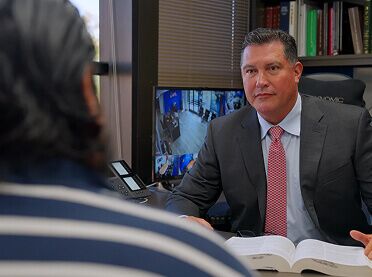
7. Constitutional Rights Protection
Every stage of a criminal case, from the initial investigation through sentencing, involves constitutional protections that must be actively defended. The Fourth Amendment governs what law enforcement can search and seize and under what circumstances. The Fifth Amendment protects against compelled self-incrimination. The Sixth Amendment guarantees the right to counsel and the right to confront witnesses.
Constitutional violations happen regularly in criminal investigations, often in ways that aren’t immediately obvious. Officers exceed the scope of a warrant. Miranda warnings are given incorrectly or too late. Interrogations continue after a suspect has requested an attorney. Identifying these violations and bringing the appropriate motions to remedy them requires attorneys who are genuinely current on Fourth and Fifth Amendment jurisprudence and know how those doctrines apply in Arizona courts specifically.
8. Post-Conviction Advocacy
The attorney’s role doesn’t necessarily end at verdict. Appeals, sentence modification requests, and post-conviction relief petitions each require a different skill set than trial work, built around legal research, appellate brief writing, and the ability to identify reversible error in a trial record.
Post-conviction work also includes helping clients understand probation terms and compliance obligations, pursuing early release programs where they exist, and advising on the process for sealing or setting aside a criminal record once eligibility requirements have been met. You can read more about sealing a criminal record in Arizona and what that process involves.
How These Duties Look Across Different Case Types
| Case Type | Core Defense Work | Specialized Knowledge Required |
|---|---|---|
| Drug Crimes | Search warrant challenges, lab result analysis, trafficking defense | Fourth Amendment law, forensic science |
| Federal Offenses | Federal court procedures, sentencing guideline navigation, plea negotiations | Federal criminal law, complex litigation |
| Violent Crimes | Self-defense arguments, witness preparation, evidence challenges | Evidence law, expert witness coordination |
| DUI Defense | Field sobriety test challenges, breathalyzer accuracy, license issues | Scientific evidence, administrative law |
| White Collar Crimes | Financial record analysis, regulatory compliance, complex investigations | Business law, financial forensics |
| Theft Charges | Intent analysis, value disputes, restitution negotiations | Property law, valuation methods |
The Case Timeline and What Happens at Each Stage
| Stage | Primary Work | Typical Timeline |
|---|---|---|
| Initial Consultation | Case evaluation, rights explanation, strategy discussion | First 24 to 48 hours |
| Investigation | Evidence review, witness interviews, expert consultation | 2 to 8 weeks |
| Pretrial | Motion filing, plea negotiations, trial preparation | 2 to 6 months |
| Trial | Jury selection, evidence presentation, advocacy | 1 to 4 weeks |
| Post-Trial | Appeals, sentence modifications, compliance guidance | Ongoing as needed |
When to Get a Defense Attorney Involved
The earlier counsel is retained, the more options remain available. Evidence can be preserved before it disappears. Constitutional violations can be identified before they quietly shape a case. Statements to law enforcement can be avoided entirely, which is almost always the right call before speaking with an attorney.
The situations that warrant immediate legal representation include being contacted by police for questioning about any criminal matter, arrest or formal charges, receipt of a grand jury subpoena, discovery that you’re under criminal investigation, or a scheduled probation violation hearing. Any one of those is sufficient reason to call.
At Suzuki Law, our Tucson criminal defense team brings a background as former prosecutors to every case, which means a direct understanding of how the state builds its cases and where they tend to be vulnerable. That prosecutorial background, combined with membership in the National Association of Criminal Defense Lawyers and Richard Suzuki’s recognition by The National Trial Lawyers as Top 40 Under 40, informs the preparation that goes into every matter we handle.
Contact Suzuki Law for a confidential consultation.
Call or text (602) 682-5270 or complete a Free Case Evaluation form