


Understanding Your Rights When Facing a Phoenix DUI Checkpoint
Yes, Phoenix police can legally stop you at sobriety checkpoints, and these stops have become an increasingly common enforcement tool throughout Arizona. If you’ve recently encountered a DUI checkpoint or are concerned about your rights during these stops, you’re not alone in wondering what officers can and cannot do. The Arizona Department of Public Safety endorses intensive sobriety checkpoint programs as a proven prevention strategy that could reduce alcohol-related fatalities by at least 15%. Understanding how these checkpoints operate and knowing your rights can make a significant difference if you find yourself approaching those flashing lights on a Phoenix roadway.
???? Pro Tip: Always have your driver’s license, registration, and insurance readily accessible when driving in Phoenix, as this can help minimize your time at any checkpoint and demonstrate cooperation without compromising your rights.
Don’t let legal challenges leave you in a bind. When you’re facing a DUI from a Phoenix checkpoint, knowing where you stand could be the key to safeguarding your rights and future. Connect with Suzuki Law at 602-682-5270 or contact us for support that stands by you.
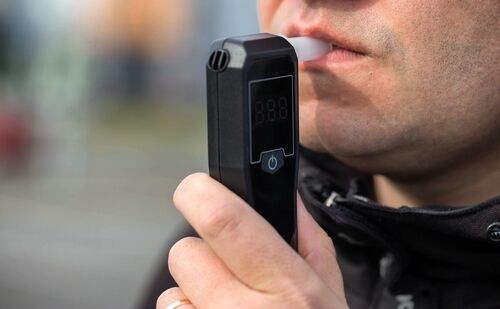
Legal Framework Behind Arizona DUI Checkpoints
DUI checkpoints in Phoenix operate under specific legal guidelines that balance public safety with constitutional protections. Under Arizona Revised Statute 28-1381, it is unlawful to drive or be in actual physical control of a vehicle while impaired, with a blood alcohol concentration (BAC) of 0.08 or higher creating a legal presumption of intoxication. The National Highway Traffic Safety Administration (NHTSA) emphasizes that checkpoints must be highly visible, publicized extensively, and conducted regularly to achieve their primary purpose of community deterrence rather than merely making arrests. This means Phoenix law enforcement must announce checkpoint locations in advance and follow strict protocols during stops. While officers can briefly detain all vehicles passing through, they need reasonable suspicion of impairment to conduct further investigation beyond the initial contact.
???? Pro Tip: You have the right to remain silent beyond providing required documents, but refusing to cooperate with basic checkpoint procedures could raise suspicion and potentially extend your detention.
What to Expect During a Phoenix Sobriety Checkpoint Stop
Understanding the typical timeline and process of a DUI checkpoint can help reduce anxiety and ensure you know what to expect. A standard checkpoint stop in Phoenix usually takes just 30 seconds to 2 minutes for drivers who show no signs of impairment. However, if officers develop reasonable suspicion, the process can extend significantly. The CDC’s systematic review of 15 high-quality studies found that properly conducted checkpoints reduce alcohol-related fatal crashes by 9%, which explains why Phoenix police dedicate resources to these operations despite their brief nature for most drivers.
- Initial stop and document check (10-30 seconds)
- Brief conversation with officer to assess potential impairment (20-60 seconds)
- If no suspicion exists, immediate release to continue driving
- If suspicion develops, directed to secondary screening area (15-30 minutes)
- Potential field sobriety tests and chemical testing if arrest occurs

Protecting Your Rights with Help from a Phoenix DUI Attorney
When facing DUI charges from a checkpoint stop, understanding your options becomes crucial for protecting your future. Arizona’s DUI laws carry serious consequences, including potential jail time, fines, and license suspension, even for first-time offenders. A conviction under A.R.S. 28-1381 results in a class 1 misdemeanor on your record, which can impact employment, housing, and other opportunities. Suzuki Law has extensive experience navigating the complexities of checkpoint-related DUI cases in Phoenix, understanding both the technical requirements law enforcement must follow and the constitutional protections available to drivers. Their proven track record includes identifying procedural errors in checkpoint operations, challenging the validity of stops, and building strong defenses based on the specific circumstances of each case.
???? Pro Tip: Document everything you remember about the checkpoint stop immediately afterward, including location, time, weather conditions, and officer behavior, as these details can prove valuable for your defense strategy.

Constitutional Limits on Phoenix DUI Checkpoint Operations
While DUI checkpoints are legal in Arizona, they must operate within strict constitutional boundaries to remain valid. The Fourth Amendment protects against unreasonable searches and seizures, requiring law enforcement agencies to follow specific guidelines when conducting checkpoints. Phoenix police must establish checkpoints based on neutral criteria, such as stopping every third vehicle, rather than profiling specific drivers. Additionally, supervisory personnel must make decisions about checkpoint locations and procedures, not individual officers in the field, to prevent arbitrary enforcement.
Challenging Improper Checkpoint Procedures
Not every DUI checkpoint stop in Phoenix follows proper legal procedures, and violations of established protocols can lead to dismissed charges. Common procedural errors include inadequate advance publicity, improper location selection without supervisory approval, or extending stops beyond reasonable time limits without developing specific suspicion. When checkpoint operations deviate from required standards, the evidence obtained may become inadmissible in court. Recognizing these potential violations requires understanding of both state and federal checkpoint requirements.
???? Pro Tip: Pay attention to whether officers are following a systematic pattern when stopping vehicles, as random or discriminatory selection could indicate an improperly conducted checkpoint.

Administrative Consequences Beyond Criminal Charges
A DUI arrest at a Phoenix checkpoint triggers both criminal proceedings and administrative actions through the Motor Vehicle Division. The Arizona Department of Public Safety warns that refusing chemical testing triggers an administrative license suspension process under Arizona’s implied consent law; the suspension becomes effective 30 days after the order is served, during which time drivers typically receive a temporary permit and may request an administrative hearing. These administrative penalties are separate from any criminal case outcomes and can lead to loss of driving privileges once the suspension takes effect.
Protecting Your Driving Privileges
Arizona law provides limited time to challenge administrative license suspensions following a checkpoint DUI arrest. Drivers typically have 30 days to request a hearing to contest the suspension, making immediate action crucial. The administrative process operates independently from criminal proceedings, meaning you could face license suspension even if criminal charges are later reduced or dismissed. Understanding these parallel tracks helps drivers make informed decisions about chemical testing and legal representation.

Frequently Asked Questions
Common Concerns About Phoenix DUI Checkpoints
Many drivers have questions about their rights and responsibilities when encountering sobriety checkpoints in Phoenix. Understanding these issues before facing a checkpoint can help you make informed decisions and protect your legal interests.
???? Pro Tip: Keep this information easily accessible in your vehicle so you can quickly review your rights if approaching a checkpoint.
Understanding the Legal Process After a Checkpoint Stop
If arrested at a DUI checkpoint, the legal process involves multiple stages, each with specific deadlines and requirements that can significantly impact your case outcome.
1. Can I turn around to avoid a Phoenix sobriety checkpoint?
While not illegal to avoid a checkpoint by turning around, doing so in an illegal manner (illegal U-turn, cutting through private property) can give officers reasonable suspicion to stop you. Officers often position themselves to observe vehicles attempting to avoid checkpoints, and obvious avoidance behavior may attract unwanted attention.
2. What should I say to officers at an Arizona DUI checkpoint?
You’re required to provide your driver’s license, registration, and proof of insurance. Beyond that, you have the right to remain silent. Politely declining to answer questions about where you’ve been or whether you’ve been drinking is within your rights, though officers may view this as suspicious behavior potentially extending your detention.
3. How do Phoenix police decide where to set up DUI checkpoints?
Law enforcement agencies select checkpoint locations based on statistical data about alcohol-related crashes and arrests. High-traffic areas with histories of DUI incidents often see more frequent checkpoints. Arizona agencies must publicly announce general areas where checkpoints will operate, though specific locations may vary.
4. What happens if I refuse a breathalyzer at a Phoenix DUI checkpoint?
Refusing chemical testing at a checkpoint triggers an administrative license suspension process under Arizona’s implied consent law. The suspension becomes effective 30 days after the order is served, during which you typically receive a temporary permit and can request an administrative hearing. This suspension applies even without a DUI conviction. Refusing a chemical test in Arizona results in administrative license suspension (12 months for a first refusal, 24 months for a second refusal) and can be used as evidence in court. Refusing while under an ignition interlock requirement can elevate the charge to aggravated DUI (a felony). However, refusal itself does not directly enhance criminal sentences for DUI convictions.
5. Should I contact a Phoenix DUI attorney immediately after a checkpoint arrest?
Yes, contacting legal representation quickly protects your rights and ensures critical deadlines aren’t missed. With only 30 days to challenge administrative license suspension and evidence preservation concerns, early attorney involvement can significantly impact both criminal and administrative proceedings.
Work with a Trusted DUI Lawyer
Facing DUI charges from a checkpoint stop requires immediate attention to protect your rights and driving privileges. The complexity of checkpoint laws, combined with severe penalties under Arizona statutes, makes experienced legal representation essential. A knowledgeable attorney can evaluate whether the checkpoint followed proper procedures, identify potential constitutional violations, and develop defense strategies specific to checkpoint arrests. Don’t let a checkpoint stop derail your future, understanding your options and acting quickly can make the difference between a conviction and a successful defense.
Ready to tackle legal hurdles with confidence? If a DUI from a Phoenix checkpoint has you concerned, securing support is just a call away. Reach out to Suzuki Law at 602-682-5270 or contact us to ensure your rights are protected.
Call or text (602) 682-5270 or complete a Free Case Evaluation form