

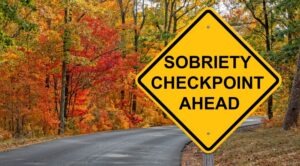
The top spots for Phoenix sobriety checkpoints include Phoenix’s downtown area, the area around Arizona State University, Old Town, major roads, highways, intersections, and surrounding cities.
Sobriety checkpoints provide a layer of safety for drivers and are where people are likely to drive under the influence; however, mistakes can happen, and even if you are arrested for a DUI or are charged, you still have rights and potential legal options. A DUI defense lawyer in Phoenix can help guide you through all of this.
Regardless of whether you are considering legal options or not, understanding these trends can help you stay informed, prepared, and, most importantly, safe on the road.
Are Sobriety Checkpoints Legal in Phoenix?
Yes, sobriety or DUI checkpoints are legal in Arizona, including the city of Phoenix. However, there are specific legal guidelines that must be followed for these to be set. For example, law enforcement must provide advance notice to the public, and vehicles must be stopped according to a neutral, predetermined pattern (such as every third car).
These requirements are designed to balance public safety with constitutional protections against unreasonable searches and seizures (which is what the Fourth Amendment means).
What Areas Are Sobriety Checkpoints Most Common in Phoenix?
Generally, sobriety checkpoints in Phoenix are set up in areas with high traffic volume, active nightlife, and a history of DUI-related incidents. Police departments use data such as prior arrests, accident reports, and traffic flow to determine where checkpoints will be most effective.
Rather than appearing randomly, checkpoints are often placed in predictable locations, where impaired driving is more likely to occur. Below are some of the most common hotspot categories across the Phoenix metro area.
Top Areas for Phoenix Sobriety Checkpoints
Here are some of the most common areas in Phoenix that you’ll find DUI or sobriety checkpoints;
Downtown Phoenix & Entertainment Districts
Downtown Phoenix is one of the most common areas for DUI checkpoints. With a high concentration of bars, restaurants, and event venues, this area sees heavy foot and vehicle traffic, particularly at night. Streets near Central Avenue and Roosevelt Row are frequently monitored, especially during concerts, sporting events, and festivals.
University Areas
The area surrounding Arizona State University, especially along Mill Avenue and University Drive, is another major hotspot. With a strong nightlife scene and a large student population, law enforcement often increases DUI enforcement here on weekends and during the school year.
Scottsdale Nightlife (Old Town)
Old Town Scottsdale is known for its busy nightlife and tourism, making it a prime location for sobriety checkpoints. This area has a lot of traffic, leaving cars, restaurants, and nightlife locations, making them hotspots for drivers under the influence, and so sobriety checkpoints make sense.
Busy Roads and Intersections
Roads such as Camelback Road, Bell Road, and Indian School Road often see enforcement activity. Intersections that connect nightlife areas to residential neighborhoods are especially common checkpoint zones, and so main roads aren’t the only option for checkpoints; intersections and neighborhoods can also be spots for police checkpoints.
Highways and Freeway Exits and Entry Points
Freeways are another popular area for checkpoints, particularly at exits and entrances that are usually busy and popular during the weekends and evenings. By setting up around here, law enforcement officers can quickly see patterns that may indicate impaired driving. I-10, I-17, Loop 101, and Loop 202 are a few popular freeways for checkpoints in Phoenix.
Areas Outside of Central Phoenix
Cities like Chandler, Gilbert, and Mesa have growing nightlife scenes and frequently see DUI checkpoints as well, as they can be just as busy as central Phoenix at certain times, especially during the weekends and when major events are going on.
When Are Sobriety Checkpoints Most Likely to Occur in Phoenix?
Law enforcement is strategic with not only where they place their checkpoints but also when. Here are some popular times that these checkpoints may be set up;
- Early morning or very late hours, usually hours when bars and nightclubs close.
- The weekends, especially from Friday to Sunday nights.
- Major holidays like Christmas, Cinco de Mayo, and July 4th.
- When there are local events like concerts, sporting events, etc.
These timeframes align with when impaired driving incidents are statistically more likely to occur.
What to Expect at a Phoenix Sobriety Checkpoint
If you encounter a sobriety checkpoint, the process is usually brief and straightforward. Most drivers can expect:
- A short stop with basic questions.
- Observation by an officer for signs of impairment.
- Possible request for a driver’s license and registration.
- Additional testing only if impairment is suspected.
If no issues are detected, you’ll typically be allowed to proceed within minutes. The best thing you can do is cooperate and stay calm.

Can You Avoid Sobriety Checkpoints?
In many cases, drivers can legally avoid a checkpoint by turning onto another street, provided they do so safely and without violating any traffic laws. However, making sudden or illegal maneuvers to avoid a checkpoint can draw attention and potentially lead to a stop.
The safest and most reliable way to avoid issues is simple: never drive under the influence.
How to Stay Safe and Prepared for Checkpoints
Planning ahead is one of the best ways to stay safe. If you plan to go out in Phoenix, drinking or not, taking a few precautions can make a big difference:
- Use a rideshare service or designate a sober driver; this is the most critical thing you can do if you or your driver is impaired.
- Drive carefully and safely.
- Expect checkpoint stops and leave enough time so you don’t have to rush or drive dangerously.
- Stay calm and cooperative if stopped at a checkpoint.
- Be aware of your rights, but avoid escalating the situation if you are accused of a DUI or are even arrested.
Preparation can help you navigate checkpoints smoothly and reduce unnecessary stress. If you are arrested for a DUI, contacting an attorney early can help you protect your rights.
Speak With a Phoenix DUI Law Firm
Sobriety or DUI checkpoints are a tool that law enforcement use to keep people safe, and Phoenix is no exception to these tools, where you can find DUI checkpoints during holidays, weekends, and major events in and around the city.
Even at a routine checkpoint, a DUI arrest can happen quickly and carry serious consequences. If you are facing charges, speaking with a Phoenix DUI lawyer can help you understand your options and protect your rights.
At Suzuki Law Offices, we have extensive experience handling all kinds of cases, including DUI cases. While a DUI charge can be overwhelming, we can handle the legal process while you focus on moving forward with your life. Get started by contacting our firm for a free case evaluation. At our firm, we treat our clients like you‘d treat your family.
Call or text (602) 682-5270 or complete a Free Case Evaluation form