

A criminal defense lawyer spends a significant amount of time researching your case and gathering evidence. Lawyers also work with prosecutors and judges to find ways to resolve a case before it goes to a trial.
Much of what a lawyer does is behind the scenes, so you may not directly see it. However, this work is incredibly important and can mean the difference between going to jail or walking away with your freedoms intact. If you have any more questions, you can talk to a Phoenix criminal defense lawyer about your situation.
Case Intake and Strategic Assessment
A lawyer’s job starts as soon as you hire them. In fact, most of the important things they do happen before anything happens in court. During the initial assessment, your lawyer will gather any available documentation concerning the case and start building a strategy.
Part of devising a strategy is determining the government’s argument and evidence. What evidence do they have? What evidence may not have been disclosed yet? What is the most realistic outcome? Answering these questions is a central part of the initial assessment and case uptake.
Independent Investigation
Next, your lawyer should perform an independent investigation separate from law enforcement. As anyone who’s watched legal shows can tell you, cops often make mistakes and miss evidence that could count in favor of your innocence.
A lawyer will gather evidence, including but not limited to photographs, video surveillance footage, eyewitness testimony, forensic evidence, expert witnesses, and more. Our lawyers have experience working as prosecutors, so we understand evidentiary standards and how the prosecution builds arguments in these cases.
Discovery and Exchanging Evidence
Discovery is one of the first formal processes of a criminal case. During discovery, both the prosecution and defense share evidence with one another. During the discovery phase, the prosecution is required to share all of the evidence it’s gathered, including exculpatory evidence. This requirement comes from the Supreme Court decision in Brady vs. Maryland.
Discovery can take a few months to over a year, depending on the severity of the crime and the complexity of the case. Typically, evidence from discovery is disclosed in waves, not all at once. The police might first turn over video footage, then provide forensic evidence once it’s been processed by a lab.
Materials obtained during discovery require extensive review and assessment. It’s possible that the key to proving your innocence or dismissing the charges is buried under the mountain of documents. It involves a lot of paperwork, but also the critical eye of a knowledgeable lawyer.
Filing Motions
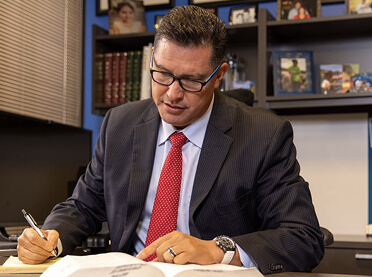
Motions are a powerful tool that defense attorneys can use to compel certain rulings by the court. The right motion can completely change how a criminal case proceeds, so a good lawyer will use them wisely to gain an advantage.
For instance, one of the most important and common motions is a Motion to Suppress. This is a formal request that the court dismiss certain evidence because it was obtained illegally or has been contaminated. A Motion to Suppress can knock out key evidence the prosecution was relying on to make their case.

Plea Negotiations
Plea negotiations are another common tool a lawyer can use in criminal cases. With a plea agreement, your lawyer negotiates with the prosecution for a lower charge in exchange for a guilty plea. For example, the prosecution might be charging you with a felony, but a lawyer can negotiate a plea deal where they charge you with a misdemeanor.
The reality is that the vast majority of cases don’t make it to trial, and a substantial portion end in plea agreements. Prosecutors want to secure convictions, so they are often willing to settle for a lesser conviction if there is not a 100% chance of getting the outcome they want with a higher charge.
Effective plea negotiations require an attorney who knows the case inside and out and who understands what kinds of risks prosecutors are willing to take.

Preparing for Trial
Most cases end before trial, but when a case does go to court, it requires extensive preparation. Some crucial things your criminal defense lawyer does include finding a jury that will be sympathetic to your case, following the prosecution’s argument, and preparing statements they can give to the judge and jury.
For example, cross-examining witnesses requires meticulous preparation to either corroborate your defense or expose inconsistencies in the prosecution’s case. A lawyer will take all the disparate facts about your case and develop a narrative and argument for your innocence.
Contact a Phoenix Criminal Defense Lawyer Today
Do you have any more questions about what criminal defense lawyers actually do and how they can help? If so, contact Suzuki Law Offices by phone or send us a message online today to speak to a Phoenix criminal defense lawyer about your case.
Call or text (602) 682-5270 or complete a Free Case Evaluation form