

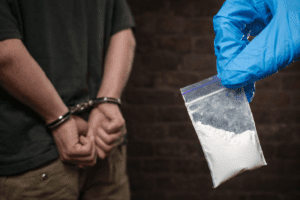
Getting arrested for drug charges in Tucson can feel overwhelming and frightening. The process that follows involves multiple stages, each with specific timelines and procedures that can significantly impact your case outcome. At Suzuki Law, we have guided countless clients through every phase of this complex legal journey.
Understanding what happens after a drug arrest in Tucson helps you make informed decisions and protect your rights throughout the process. Our experience navigating Tucson’s legal system has shown us that knowledge of the full timeline empowers our clients to work effectively with their defense team.
Located at 2200 E. Speedway Boulevard, Suzuki Law has developed extensive expertise in Arizona’s drug laws and local court procedures. Lead attorney Richard Suzuki’s recognition by The National Trial Lawyers as Top 40 Under 40 reflects our commitment to excellence in criminal defense representation.
The Initial Arrest and Booking Process
The process begins the moment law enforcement takes you into custody. Officers must read you your Miranda rights, including your right to remain silent and your right to an attorney. We advise clients to invoke these rights immediately and avoid critical mistakes that can damage their defense from the start.
During transport to the Pima County Jail, avoid discussing your case with officers or other individuals. Anything you say can become evidence against you later. Our team has seen many cases complicated by statements made during this vulnerable time.
The booking process typically takes 2 to 4 hours and involves several steps. Officers will photograph and fingerprint you, conduct a background check, and complete paperwork documenting the charges. Personal property gets inventoried and stored until your release.
Medical screening occurs during booking to identify any immediate health needs. If you take prescription medications, inform the medical staff immediately. The jail medical team needs this information to ensure continuity of care during your detention.
Understanding Your Charges and Rights
Arizona classifies drug offenses into various categories based on the substance type, quantity, and circumstances surrounding the arrest. The specific charges you face will determine the potential penalties and available defense strategies.
Possession charges range from simple possession of marijuana to possession of dangerous drugs like cocaine, methamphetamine, or heroin. The classification determines whether the offense is charged as a misdemeanor or a felony, which significantly impacts potential penalties.
Sale or transportation charges carry more severe penalties than possession alone. Prosecutors must prove intent to distribute, which often relies on factors like quantity, packaging, presence of scales, or large amounts of cash. It’s also worth understanding when a drug charge can escalate to a federal offense, since that changes the entire landscape of your case.
Your constitutional rights remain in effect throughout the entire process. The Fourth Amendment protects against unreasonable searches and seizures, while the Fifth Amendment protects against self-incrimination. The Sixth Amendment guarantees your right to legal representation.
The Arraignment Process and Timeline
After a drug arrest in Tucson, an arraignment hearing is typically scheduled within 24 to 48 hours for misdemeanor charges, or within 72 hours for felony charges. This timeline can extend over weekends and holidays.
During arraignment, the judge formally reads the charges against you and asks for your plea. We strongly recommend pleading “not guilty” at this stage, regardless of the circumstances. This preserves all your legal options while we investigate your case thoroughly.
The court will also address bail during the arraignment hearing. Factors affecting bail decisions include the severity of charges, your criminal history, community ties, and flight risk assessment. Our experience with Tucson judges helps us present compelling arguments for reasonable bail amounts.
Here’s the typical timeline for arraignment proceedings:
- Initial appearance within 24–72 hours
- Formal reading of charges
- Entry of plea
- Bail determination hearing
- Setting of future court dates
- Appointment of counsel if needed
- Release processing if bail is posted

Bail and Bond Hearings
The bail process represents a critical early stage where effective legal representation makes a substantial difference. Arizona law allows several types of release options, each with specific requirements and conditions.
Cash bail requires payment of the full bail amount to the court. This money gets returned at case conclusion, minus any court fees, regardless of the verdict. Many families find cash bail financially challenging for serious drug charges.
Surety bonds involve working with a bail bondsman who posts bond for a fee, typically 10 to 15% of the total bail amount. The bondsman assumes responsibility for ensuring your appearance at future court hearings.
Release on your own recognizance (ROR) involves no monetary payment but requires a promise to appear at all scheduled court dates. Courts typically reserve ROR for defendants with strong community ties and minimal flight risk.
| Release Type | Cost | Requirements | Best For |
|---|---|---|---|
| Cash Bail | Full bail amount | Payment to court | Those with available funds |
| Surety Bond | 10–15% of bail | Bondsman agreement | Most defendants |
| Own Recognizance | No cost | Promise to appear | Low flight risk cases |
| Property Bond | Property value | Real estate collateral | Property owners |
Choosing the right release option depends on factors such as financial resources, community ties, and the seriousness of the charges. While some defendants may qualify for release without paying bail, others may need to rely on surety or property bonds to secure release while their case is pending. Understanding these options early can help defendants and their families make informed decisions during a stressful stage of the criminal process.

Pre-Trial Motions and Discovery
The pre-trial phase allows us to examine the evidence against you and file motions to protect your rights. This stage often determines the strength of the prosecution’s case and available defense options.
Discovery involves obtaining all evidence the prosecution plans to use against you. This includes police reports, witness statements, laboratory results, and any physical evidence. We review everything carefully to identify potential defense strategies.
Common pre-trial motions in drug cases include motions to suppress evidence obtained through illegal searches, motions to dismiss charges based on procedural violations, and motions to exclude certain statements or testimony.
Search and seizure issues frequently arise in drug cases. If law enforcement violated your Fourth Amendment rights during the investigation, we can file motions to exclude illegally obtained evidence. Successful suppression motions often result in case dismissals or significant charge reductions.
The exclusionary rule prevents prosecutors from using evidence obtained through unconstitutional means. This powerful protection requires careful legal analysis of police procedures and constitutional compliance throughout the investigation.

Plea Negotiations and Options
Most drug cases resolve through plea negotiations rather than trial proceedings. Our experience with Tucson prosecutors and their practices helps us evaluate plea offers and negotiate favorable agreements when appropriate.
Plea bargaining involves negotiations between the defense and prosecution to resolve the case without trial. Potential benefits include reduced charges, lighter sentences, or alternative sentencing options like drug treatment programs.
Factors affecting plea negotiations include the strength of the evidence, your criminal history, the specific charges involved, and the prosecutor assigned to your case. We analyze these factors to develop effective negotiation strategies.
Arizona offers several alternative sentencing options for drug offenses, particularly for first-time offenders or those struggling with substance abuse. These programs focus on treatment rather than punishment, often resulting in better long-term outcomes.
| Sentencing Option | Eligibility | Benefits | Requirements |
|---|---|---|---|
| Drug Court | First-time offenders | Treatment focus | Program completion |
| Deferred Prosecution | Minor charges | Case dismissal | Compliance monitoring |
| Probation | Various factors | Avoid incarceration | Regular check-ins |
| Treatment Programs | Substance abuse | Address root causes | Counseling participation |
While each sentencing option has different eligibility requirements, many alternatives to incarceration are designed to reduce repeat offenses and support rehabilitation. Programs such as drug court, probation, and treatment-based sentencing can provide defendants with opportunities to address substance abuse issues while avoiding the long-term consequences of jail or prison time.

Preparing for Trial
When plea negotiations don’t produce acceptable results, we prepare aggressively for trial. Our trial preparation process examines every aspect of your case to build the strongest possible defense.
Jury selection plays a crucial role in drug cases, as potential jurors may have strong opinions about drug offenses. We work to identify and excuse jurors who cannot fairly evaluate the evidence based on their preconceptions.
Evidence analysis involves examining the prosecution’s case for weaknesses, inconsistencies, or constitutional violations. Laboratory testing procedures, chain of custody issues, and witness credibility all require careful scrutiny.
Common defense strategies include:
- Challenging the legality of the search and seizure
- Questioning the reliability of field tests and laboratory results
- Examining chain of custody procedures
- Investigating potential police misconduct
- Challenging witness identification or testimony
- Arguing lack of knowledge or intent
- Presenting alternative explanations for the evidence
Constitutional Protections and Rights
Your constitutional rights provide powerful protections throughout this entire process. Understanding these rights helps you work effectively with your defense team and avoid actions that might harm your case.
The Fourth Amendment requires law enforcement to have probable cause for arrests and reasonable suspicion for investigatory stops. Traffic stops that exceed their original scope or searches conducted without proper justification may violate your rights.
Miranda rights protect your Fifth Amendment privilege against self-incrimination. You have the absolute right to remain silent and request an attorney. Exercise these rights immediately and consistently throughout the process.
The Sixth Amendment guarantees your right to competent legal representation, to confront witnesses against you, and to present a defense. These rights ensure fair treatment throughout the legal process.
Due process protections require the prosecution to prove your guilt beyond a reasonable doubt. This high standard of proof protects innocent individuals and ensures thorough examination of the evidence.
Working with Experienced Legal Representation
The complexity of Arizona drug laws and Tucson court procedures makes experienced legal representation essential. Our team brings deep knowledge of local practices, prosecutor tendencies, and judicial preferences that can significantly impact your case outcome.
Richard Suzuki’s membership in the National Association of Criminal Defense Lawyers and Arizona Trial Lawyers Association ensures we stay current with evolving drug laws and defense strategies. This ongoing education benefits every client we represent.
Our bilingual capabilities in English and Spanish ensure clear communication throughout this stressful period. Understanding the legal process and your options helps you make informed decisions about your defense strategy.
As former prosecutors, we provide immediate intervention during the arrest phase, strategic bond hearings, thorough evidence analysis, and aggressive advocacy throughout the entire legal process. Our comprehensive approach addresses every aspect of your case.
Our experienced paralegals and investigators work diligently to protect your constitutional rights while developing effective defense strategies tailored to Tucson’s specific legal landscape and prosecutorial practices.
Timeline Expectations and Key Deadlines
Understanding the full timeline helps you prepare for what lies ahead and make informed decisions about your case. Although each situation is different, cases generally move through defined procedural stages in Arizona courts.
Misdemeanor drug cases typically resolve more quickly than felony charges, often within 2 to 6 months depending on case complexity and court schedules. Felony cases may take 6 to 18 months or longer, particularly if they proceed to trial.
Key deadlines include discovery cutoffs, motion filing deadlines, and trial preparation requirements. Missing these deadlines can harm your defense, making early legal representation crucial for protecting your rights.
Pre-trial conferences allow attorneys to discuss case resolution with prosecutors and judges. These meetings often lead to plea negotiations or alternative sentencing arrangements that benefit defendants.
Sentencing hearings occur after conviction, either through plea agreement or trial verdict.
Our team prepares comprehensive mitigation presentations to advocate for the lightest possible sentence based on your individual circumstances and Arizona’s sentencing guidelines. Even if a conviction occurs, you may later be eligible to petition the court to seal your criminal record under Arizona law, reducing its long-term impact on your life.
Don’t Navigate This Alone: Get Legal Help Today
As with any drug arrest, the process in Tucson is complex and unforgiving. Every decision you make can impact your freedom, future opportunities, and family relationships. And while the state moves quickly to secure a conviction, you need experienced legal representation that understands Tucson’s courts and prosecutors.
At Suzuki Law, we have successfully defended countless clients facing drug charges ranging from simple possession to trafficking offenses. Our comprehensive approach protects your rights while building the strongest possible defense strategy for your unique situation.
Don’t let uncertainty about what happens next prevent you from taking action. Contact our experienced legal team for a confidential consultation about your case and learn how we can help protect your future.
Call or text (602) 682-5270 or complete a Free Case Evaluation form